Booking for a crowd and worried the room will be wrong? Here is how to choose a restaurant for a large group: fix your headcount and occasion first, then compare privacy, true seated capacity and the full price.
Venue choice is one step in restaurant event planning, so read this alongside the wider guide.
| Item | Value |
|---|---|
| Typical private dining price (Tagvenue’s UK listings) | Often from around £40-£80 per person |
| How private dining is usually priced | Minimum spend or per-person package |
| Areas Tagvenue says to check when choosing a room | 7 areas, from guest count to logistics |
| Seated versus maximum capacity | A room that technically holds 40 may feel cramped |
| Headcount range to share with the venue | 20 to 30 for a host planning for 24 |
These figures come from Tagvenue’s private dining guide and Bulla Gastrobar’s private dining guide. Prices and policies can change, so check the source and the venue before you rely on them.
Start with the occasion and a realistic headcount
Before you look at square footage, name the purpose of the meal. Bulla Gastrobar’s guide suggests starting with the feeling you want guests to carry out the door, then matching the room, menu and service style to it, as the Bulla Gastrobar guide explains.
For a work dinner, the TROOP guide to choosing a restaurant for work meetings lists five considerations: capacity and seating, proximity, dietary restrictions, budget, and culture and ambiance. The same list works well for family and friend events.
Your headcount shapes how guests experience the room. Ask for the seated capacity, not only the maximum: Bulla Gastrobar notes that a room that technically holds 40 may feel cramped once chairs are pulled back and servers are moving through.
The opposite problem exists too. A large room can make a dinner for 14 feel sparse if tables are spread too far apart.
Give the venue a range, not a single number
Tell the restaurant your likely count and a realistic range. Bulla Gastrobar’s example is a host planning for 24 who explains the final number could land closer to 20 or 30, which helps the venue suggest a layout that still feels generous if a few RSVPs change.
Tagvenue’s checklist also recommends an exact guest count plus a small buffer, as the Tagvenue guide sets out. If your event mixes seated and standing parts, it adds that you should check both seated capacity and standing or cocktail capacity.
Think about how tables are arranged
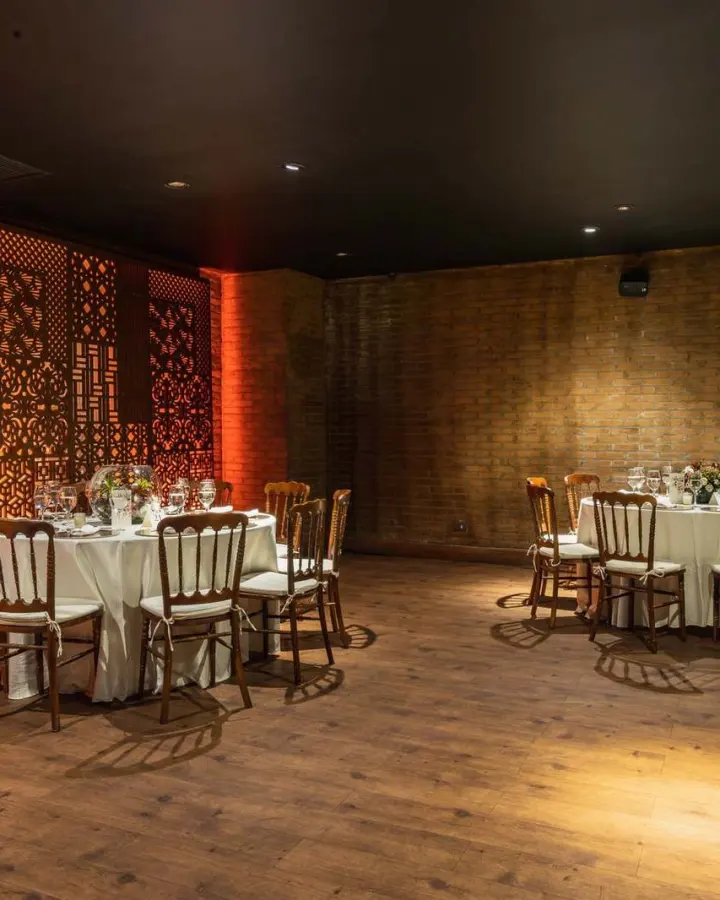
Ask how the tables will be set up, because the layout changes the mood. Bulla Gastrobar describes three common options:
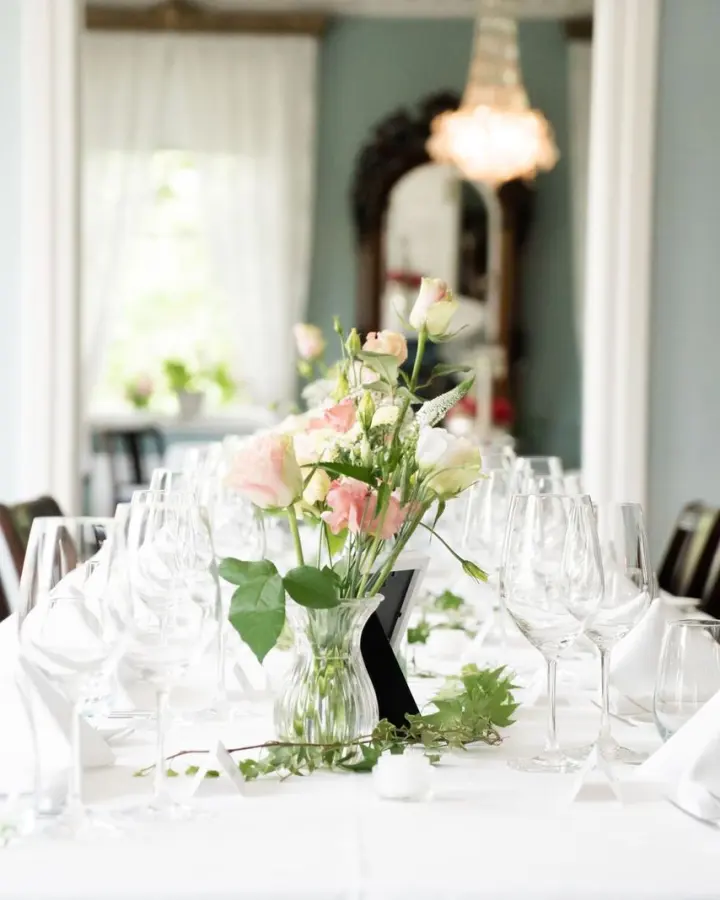
- One long table: a communal, family-style feel that suits smaller groups.
- Rounds: easier for guests to turn and talk, especially at larger celebrations.
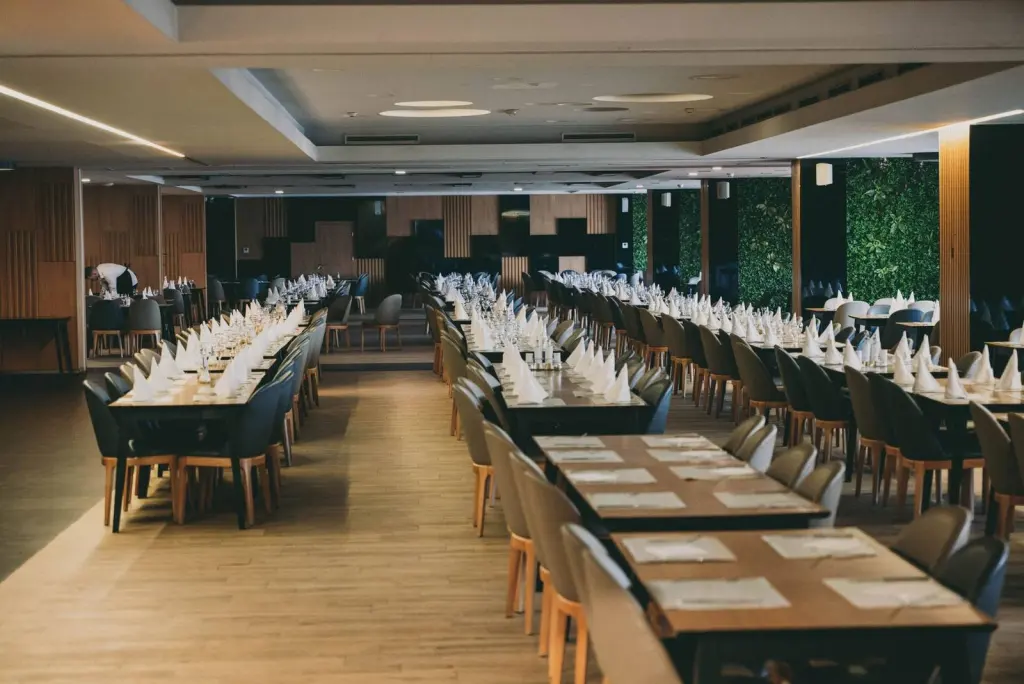
- Several smaller tables: practical, but they can divide a group if there is no natural place to gather between courses.
Once you have a shortlist, the guide on how to plan a group dinner is a useful next read for the rest of the evening.
Should the room be private, semi-private or a full buyout?
“Private” is not a standard term, so ask what the venue means by it. Blacklane’s guide lists fully private rooms, semi-private spaces set apart by screens or curtains, private salons and full restaurant buyouts as the main forms, as the Blacklane private dining guide describes.
The same guide offers a simple rule: if being overheard would irritate you, fully private is worth paying for. It adds that a semi-private room often comes with a lower minimum spend and can feel warmer and livelier.
For large parties, Blacklane says flow becomes the key test. Can people mingle before dinner, and is there space for a toast without the room feeling cramped?
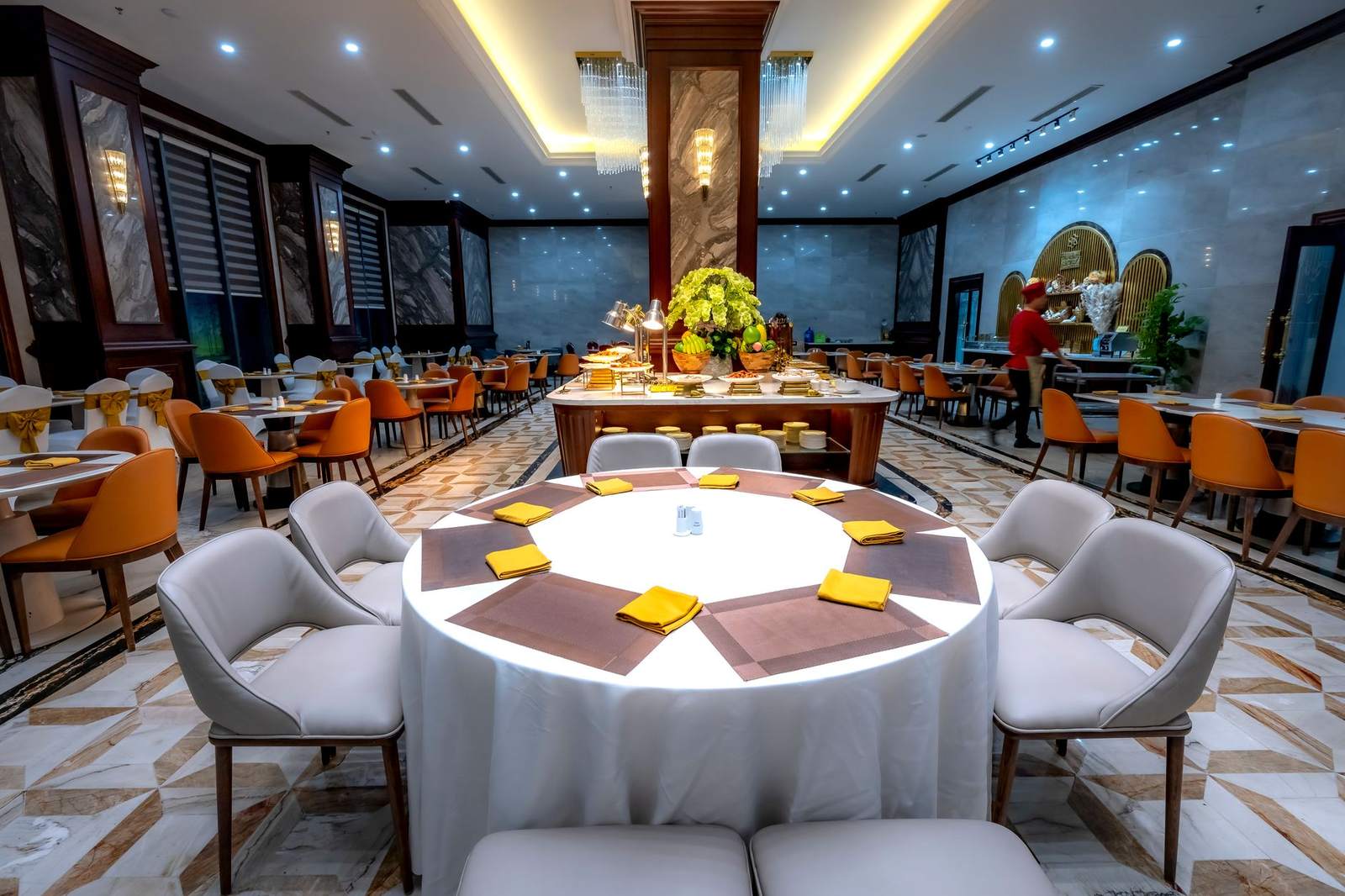
If you want atmosphere rather than confidentiality, ask how much of the main restaurant’s energy carries into the space. A semi-private area near a lively bar can suit a birthday, and these birthday meal at a restaurant ideas are a natural companion to this checklist.
How do you compare prices fairly?
Headline numbers rarely tell the whole story. Tagvenue says pricing is typically a minimum spend or a per-person package, often starting from around £40-£80 per person depending on the venue, according to the Tagvenue guide.
Blacklane warns that a larger room with a steep minimum spend is not automatically better value than a smaller room that fits your group and keeps the menu simpler. When you compare quotes, ask each venue to spell out these items:
- Minimum spend and any separate room hire fee
- Per-person menu pricing and beverage packages
- Corkage, tax and service charges
- Overtime and AV charges
- Floral, cake-cutting or outside vendor fees
Timing matters too. Blacklane says December, Valentine’s Day, major city events and key weekends tend to come with sharper terms and less flexibility, so ask about peak-date rules early (see the Blacklane guide).
If you are paying for a work event, the TROOP guide suggests knowing the average cost per person including drinks, tax and tip, and rounding up. It also says to check whether the restaurant requires a food and beverage minimum for a private room or full space, per the TROOP guide.
Food, drinks and dietary needs
A big table needs a menu that keeps service moving. Bulla Gastrobar says a shared menu keeps service flowing and suits celebrations, while choice-based menus can work better when dietary preferences vary widely, in its private dining guide.
Collect dietary needs before you book. TROOP recommends sending a pre-meeting survey to capture food allergies and dietary restrictions, then checking the menu or calling the restaurant to see what it can offer, per the TROOP guide.
Do not assume you can bring your own food or drink. Tagvenue says most restaurant private dining rooms require in-house catering, external food is rarely allowed (a celebration cake is sometimes the only exception), and BYOB or corkage is uncommon, as the Tagvenue guide notes.
Access matters as well. Tagvenue’s checklist includes step-free access, lifts and accessible toilets if needed, so raise these with every venue on your shortlist.
Choosing a restaurant for a large group: questions to ask before a deposit
A glossy events brochure is not enough. Blacklane’s pre-booking checklist is a good base, and you can adapt it into a short list to send to each venue:
- Is the room fully private or semi-private?
- How many guests does it seat comfortably for dinner, not just at maximum capacity?
- Does the minimum spend include tax and service, and is there a separate room fee?
- Is the menu fixed, and how are allergies, dietary restrictions and non-drinkers handled?
- Is AV available for speeches or presentations?
- What are the deposit, cancellation and final headcount deadlines?
- Is there a separate entrance, coat check or nearby restroom?
Blacklane also stresses the arrival experience: a lovely room loses some magic when half the group is wandering the block looking for the side entrance. The Blacklane guide suggests asking what the smoothest way is for guests to arrive and leave.
A walk-through at the hour of your booking shows you what the room is really like. Bulla Gastrobar suggests listening for noise from the bar, kitchen, patio or neighbouring tables, and checking lighting and sightlines so everyone can see a person giving a toast.
Frequently asked questions
Is a fully private room worth it for a large group?
Show answer
It depends on the evening. Blacklane’s rule of thumb is that if being overheard would irritate you, fully private is worth paying for, while a semi-private room can feel livelier and often has a lower minimum spend.
Can you bring your own cake or wine to a restaurant private room?
Show answer
Usually only with permission. Tagvenue says most restaurant private dining rooms require in-house catering, with a celebration cake sometimes the only exception, so ask about cakeage and corkage before you commit.
What should you tell the restaurant about your guest count?
Show answer
Give an exact or likely number plus a realistic range, and a small buffer. Bulla Gastrobar’s example is a host planning for 24 who explains the final number could land closer to 20 or 30.
Should you visit the venue before booking?
Show answer
If you can, yes, and at the same time of day as your event. That lets you hear the noise level and check lighting, temperature and sightlines, as Bulla Gastrobar advises.